




How to Keep Clutter from Coming Back: Simple Habits That Truly Work
If you have ever finished a massive decluttering project only to find the clutter creeping back weeks later, you are not alone. The truth is that staying clutter-free is not about one big clean-out. It is about creating small, consistent habits that make order effortless.
In this post, you will learn how to build realistic, repeatable habits that stop clutter from coming back. These are the same routines that professional organisers and naturally tidy households use to keep their spaces calm, functional, and stress-free. Whether you have just finished decluttering or are starting to feel the clutter return, this guide will help you create lasting order that truly fits your lifestyle.
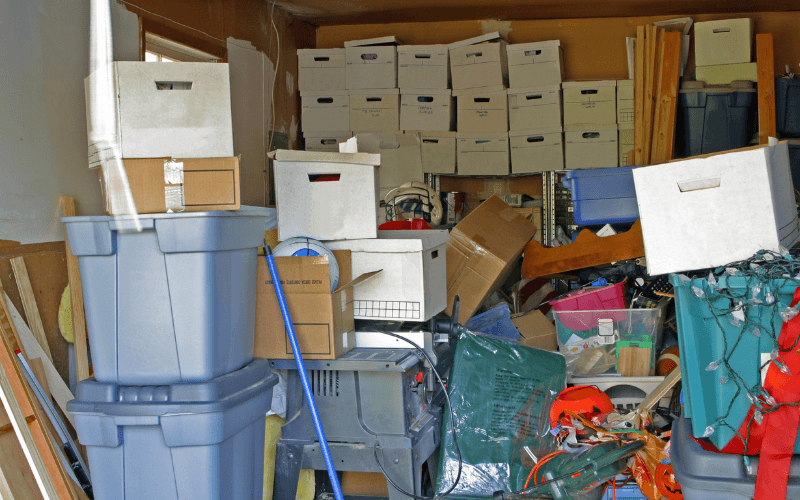
1. Give Everything a Home and Keep It There
One of the core habits of organised homes is that every single item has a designated place. When something does not have a home, it becomes clutter the moment you set it down. Start by identifying the items that constantly float around — keys, mail, water bottles, jackets, or children’s toys. Choose a clear and consistent home for each of them. For example, a small tray near the entryway for keys, a basket for mail, or hooks by the door for coats and backpacks.
To keep this habit alive, practice the “one-touch rule.” When you finish using something, put it back in its home immediately rather than moving it from surface to surface. You will be amazed at how much less visual noise appears in your space when everything is put away right after use.
If you are not sure where to start organising, download my free Room by Room Decluttering Checklist, which walks you through assigning storage zones for every category in your home.
2. Do a Five-Minute Reset Each Evening
The five-minute reset is one of the most powerful yet overlooked habits for maintaining an organised home. Before bed, spend just five minutes putting things back where they belong — straighten pillows, load the dishwasher, clear counters, and put clothes in the laundry basket.
This small act has an out sized effect. You start the next morning with a sense of calm and control instead of facing yesterday’s mess. It also keeps clutter from growing into something overwhelming.
If you have children, make it a family routine. Set a timer for five minutes, play music, and let everyone tidy their own areas. It teaches responsibility and helps kids understand that organisation is not a one-time chore but a shared lifestyle habit.
3. Embrace the “One In, One Out” Rule
Even the most beautiful organisation systems will fail if new items keep entering your home without limits. To maintain balance, adopt the “one in, one out” rule. For every new item that comes in, one similar item must leave. This works especially well for clothing, books, kitchen gadgets, and children’s toys. When you buy a new sweater, choose one old one to donate. When your child receives a new toy, help them pick one to give away.
This habit not only keeps clutter from returning but also makes you more mindful of your purchases. You begin to ask yourself before buying: “Do I have space for this? What will I let go of to make room?”
4. Tidy as You Go
Organised homes do not rely on big weekend cleaning marathons. They stay neat because tidying is built into daily life. This means putting things away right after using them, wiping counters as you cook, and hanging up clothes the moment you take them off. It may sound small, but these micro-habits prevent the buildup that leads to clutter.
Try pairing these actions with something you already do. For example, clear your coffee table while waiting for your coffee to brew, or unload the dishwasher while dinner is in the oven. When tidying becomes automatic, you will notice how effortlessly your home stays calm.
5. Manage Paper Before It Multiplies
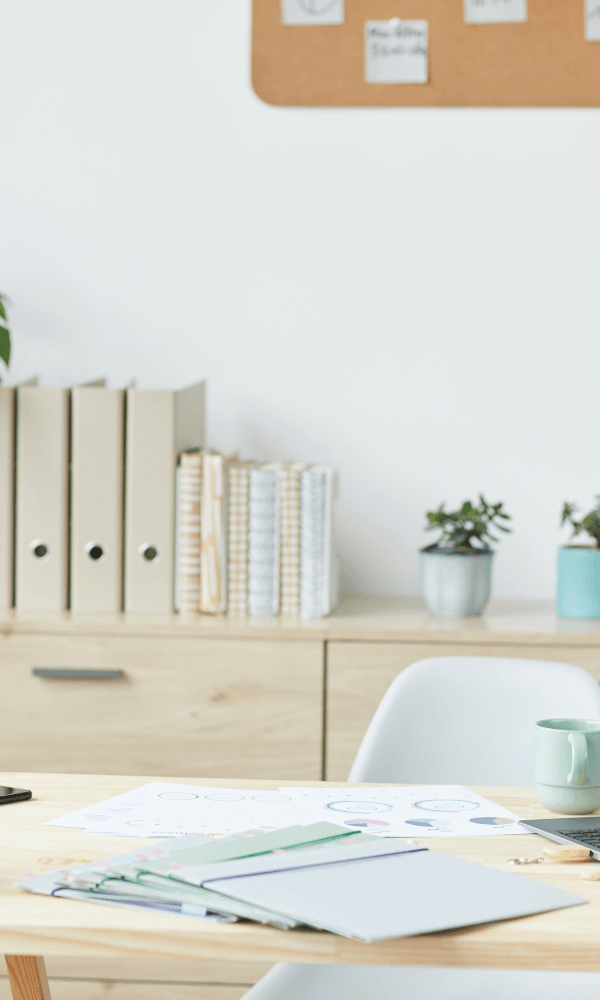
Paper is one of the sneakiest forms of clutter. It enters your home daily through mail, receipts, schoolwork, and printed documents and before you realise it, piles start forming. To stay ahead of it, create a simple paper management system. Have one spot for incoming papers, such as a tray or magazine holder. Schedule a weekly “paper review” where you sort what to keep, what to recycle, and what to file digitally.
Digitise what you can. Take photos of important documents or children’s artwork and store them in clearly labelled folders on your computer or cloud. Keep only the originals that are legally or emotionally essential. Always-organised homes handle paper quickly. They do not let piles sit for weeks, and they do not keep “just in case” stacks that never get used.
6. Declutter Regularly, Not Just Once
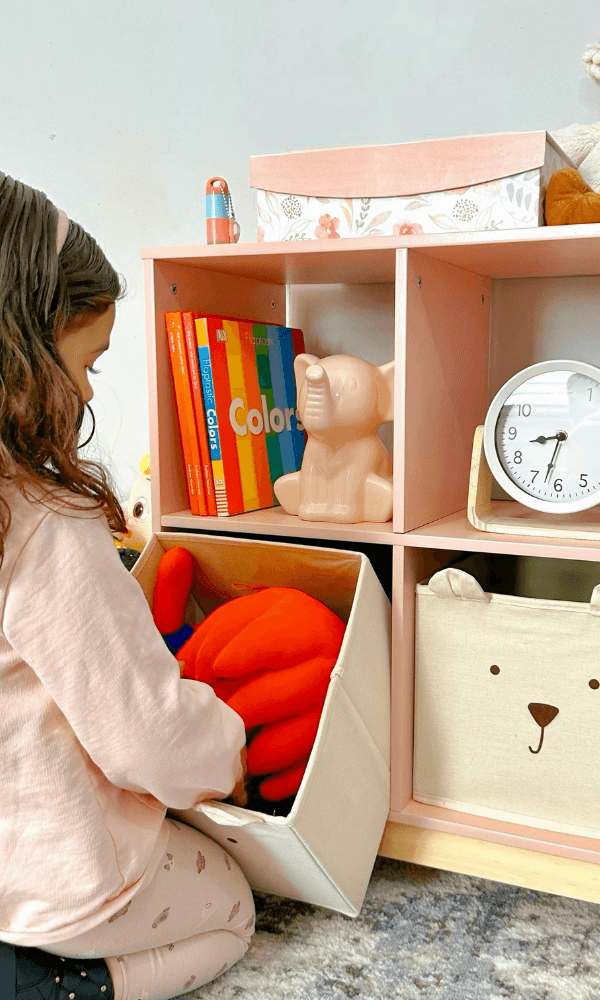
Clutter is not a one-time problem; it is an ongoing part of life. New things will always come in, and life circumstances change. That is why homes build decluttering into their routine. Set aside time each month to do a quick review of your main spaces. Walk through your home with a donation box and ask yourself what no longer serves you. You do not need to do a massive clean-out every time — a focused 20-minute sweep can make a huge difference.
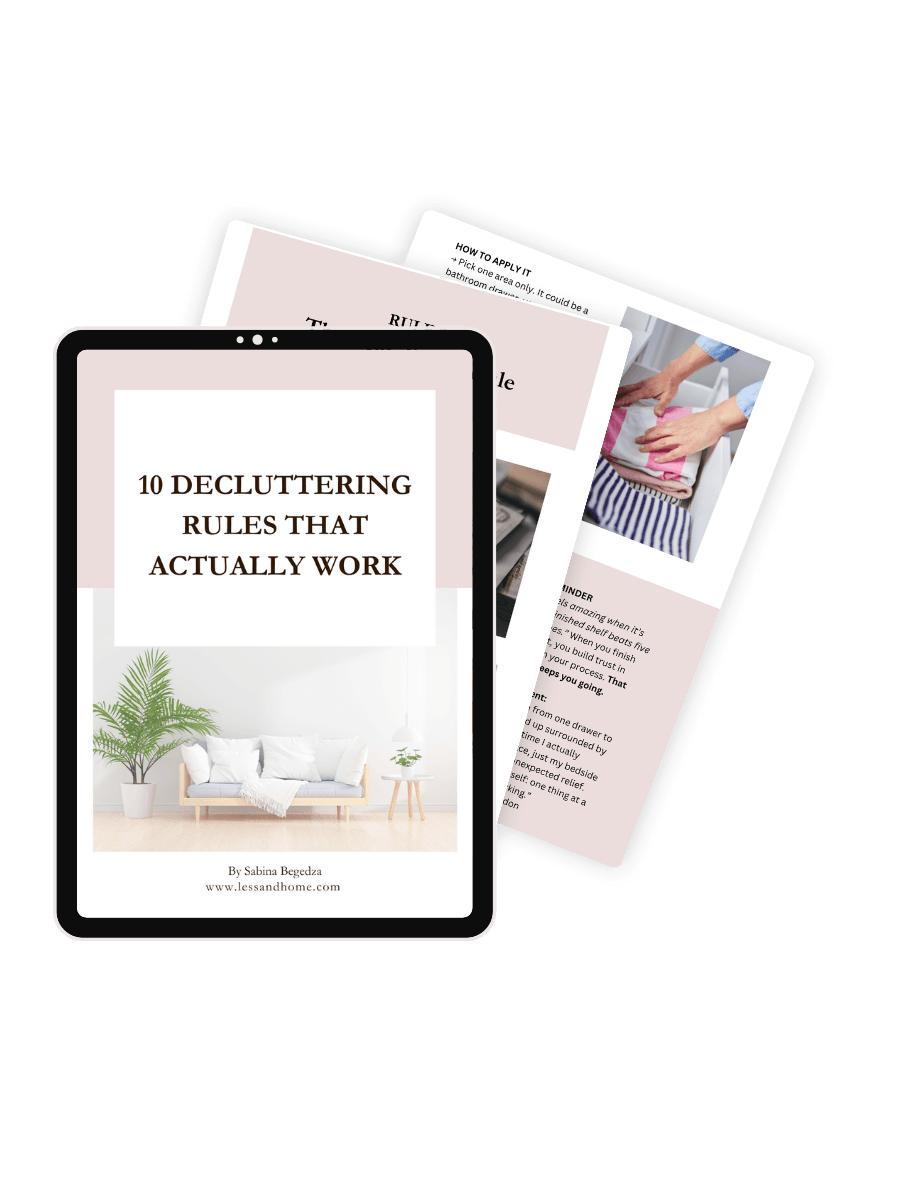
Another helpful approach is to work with the natural rhythms of the year. A quick wardrobe refresh in spring and autumn, or a pantry check every few months, can make a big difference over time. These small habits help keep clutter under control before it becomes overwhelming. For more simple, realistic tips, download my free eBook, 10 Decluttering Rules That Actually Work.
7. Simplify Before You Organise
One of the biggest traps in decluttering is trying to organise clutter instead of reducing it. It’s tempting to buy more bins, baskets, drawer dividers, or storage boxes to make things look neat. They may hide the mess temporarily, but they don’t address the real issue. Before you even think about organising, focus on simplifying. Take a hard look at what you own. Remove duplicates that serve the same purpose, discard outdated or broken items, and be honest about those “someday” objects that never get used. If something hasn’t been touched in the past year, ask yourself whether it truly adds value to your life.
Simplifying first makes organising far easier. Once you’re left with only what you actually use and love, you can select storage solutions that fit your needs instead of cramming everything into a space that can’t handle it. This approach not only keeps your home visually tidy but also reduces stress, saves time on cleaning, and creates a sense of calm and order. You’ll be amazed at how much easier it is to maintain a home that holds only what truly serves you.
If you often find yourself wondering whether you should declutter or just get better organised, my post Decluttering vs. Organising: What’s the Real Difference and Which One Do You Need? breaks it down clearly. It explains how to recognise which step your home needs most right now and how combining both can create lasting simplicity.
8. Teach Everyone to Participate
Organisation cannot fall on one person alone. Organised homes work because everyone living there takes part in maintaining it. Start by setting clear expectations. Children can learn to make their beds, put away toys, and hang coats. Partners can take ownership of their own areas or handle shared routines like mail sorting or trash.
It also helps to simplify your systems so everyone can use them. Label shelves, containers, and drawers with easy-to-read tags. Keep storage accessible so that putting things away takes less effort than leaving them out.
9. Set Boundaries, Not Bans
Staying organised is not about living with strict rules or denying yourself joy. It is about creating gentle limits that protect your space, time, and energy. Boundaries are what keep your home balanced — not bans, but mindful decisions. Instead of saying, “I can’t buy more books,” try, “I’ll keep only what fits on this shelf.” Instead of declaring, “No more clothes,” decide, “My closet holds what I truly wear and love.” This small shift in language turns restriction into empowerment. You are not depriving yourself; you are choosing what adds real value to your life.
To make boundaries work long-term, try these strategies:
Use physical limits as natural guides. Let your shelves, drawers, and containers define how much you keep. When they are full, it is time to edit, not expand.
Pause before you buy. Before purchasing something new, ask yourself: “Where will this live?” and “What purpose will it serve?” If you cannot answer clearly, it probably doesn’t belong.
When you live within your chosen limits, your home becomes a reflection of your values — not of constant accumulation.
10. Embrace “Good Enough”
One of the biggest reasons clutter sneaks back is because people believe organisation has to be flawless — colour-coded bins, perfectly labelled jars, and picture-ready shelves. That mindset creates pressure instead of peace. The truth is, lasting order is about function, not aesthetics. Your home is meant to serve you, not impress anyone else. A drawer that looks messy but helps you find what you need in seconds is far more successful than one that looks perfect but is impossible to maintain. Give yourself permission to aim for better, not perfect. Progress counts.
Here are a few ways to put the “good enough” mindset into practice:
Adopt the 80% rule. If a space is 80% organised — meaning you can find things easily and it stays mostly tidy — that is success. Don’t waste your energy chasing the final 20% that only looks good on camera.
Focus on function over form. Ask yourself, “Does this system make life easier?” If the answer is yes, it’s working, even if it’s not pretty.
Avoid comparison. Your home does not need to match what you see online. Real homes have pets, children, busy schedules, and seasons of chaos.
The secret that truly organised people know is that consistency beats perfection every single time. When you let go of unrealistic standards, you remove the guilt, pressure, and procrastination that fuel clutter in the first place. Your home does not have to look perfect to feel peaceful. It just needs to work for your life today.

Moving Forward
A clutter-free home is not built in a weekend. It grows from small, intentional habits practised consistently. The families who stay organised are not perfect. They simply choose to reset, tidy, and declutter before things spiral.
You do not need more storage or more time. You need the right habits and systems that work with your lifestyle, not against it. Start today with one small step — maybe the five-minute evening reset or the “one in, one out” rule.
And if you would like personal guidance to create systems tailored to your home, I invite you to schedule a free 15-minute consultation with me. Together, we will design routines that keep your home calm, organised, and truly yours for the long term.
YOU MIGHT ALSO LIKE
About
Less & Home is a professional decluttering and home organising company based in Rickmansworth. I currently work with clients within a 10-mile radius. If you’re unsure whether I cover your area, please contact me as I may still be able to help you.





Get your Free eBook!
Sign up for the newsletter and receive “10 Decluttering Rules That Actually Work” a practical guide to help you clear space with confidence and less stress.
© 2026 Less & Home. All Rights Reserved